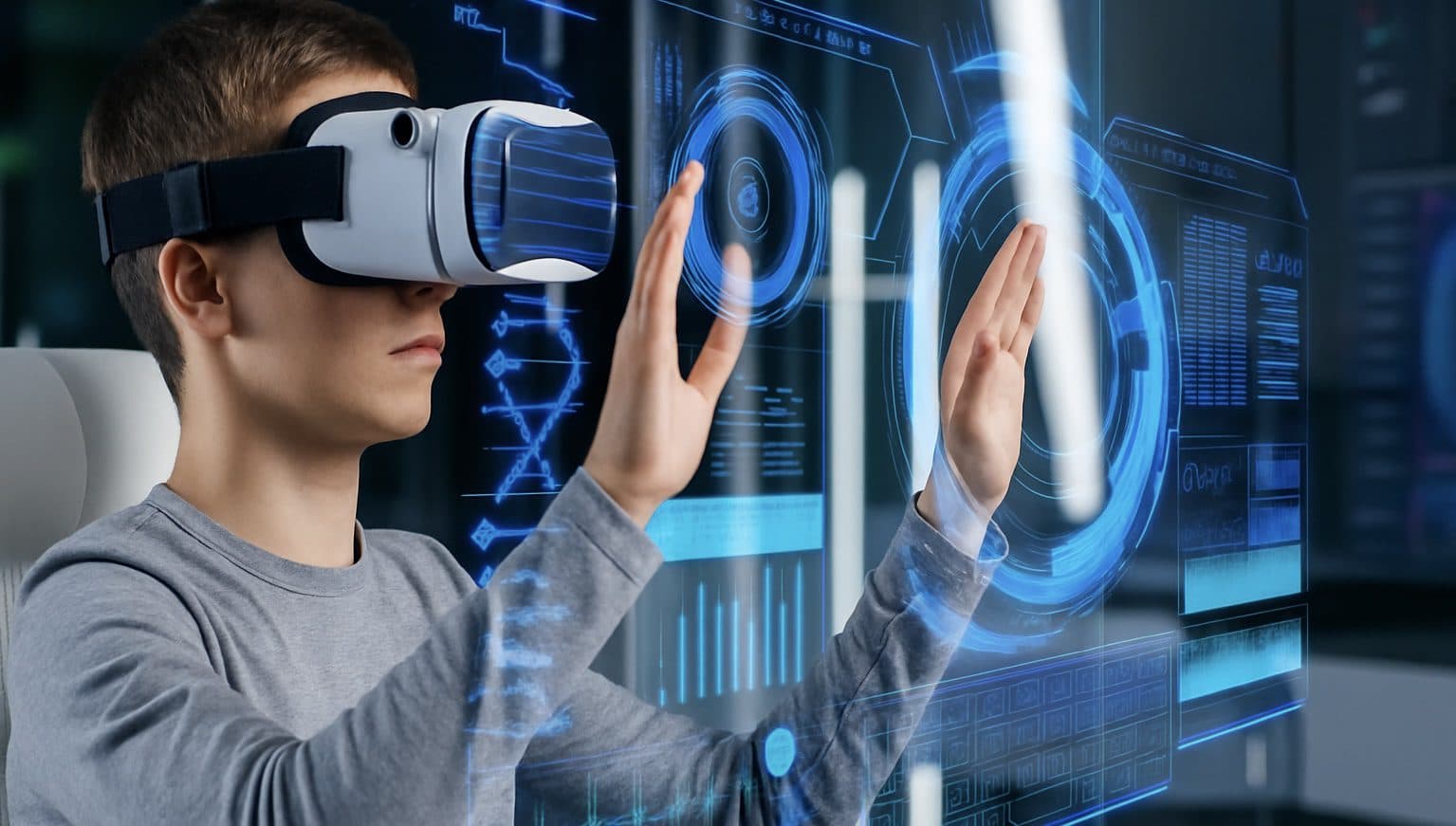
Technology is no longer something we simply use. It is becoming something we live within. The next wave of innovation, powered by spatial computing and mixed reality, is transforming the way we experience the world. This new era is about dissolving the boundaries between physical and digital life, creating a reality where both exist as one.
We have moved from computers on desks to devices in our hands. Now, digital experiences are stepping into the spaces around us. This is not just a technological shift but a human one, changing how we work, learn, and connect.
Mixed Reality and the Power of Immersive Experience
Mixed reality takes the concept of spatial computing further by blending the digital and physical worlds so seamlessly that they can coexist and interact in real time. It is different from virtual reality, which creates a separate digital world, and from augmented reality, which simply overlays digital images. Mixed reality combines both to create a single shared environment.
A doctor can visualize 3D scans of a patient while performing surgery. An architecture team can walk through a life-sized virtual building before construction begins. Students can travel through ancient civilizations and explore them as if they were there. Mixed reality transforms abstract information into vivid, hands-on experiences that help people understand and engage in completely new ways.
This technology is not about escaping reality. It is about enriching it. It brings learning, design, and creativity to life while making digital interactions feel human again.
A Revolution Beyond the Screen
Spatial computing and mixed reality are leading a transformation similar in scale to the rise of the internet or the smartphone. Work will no longer be limited to a monitor. Digital tools will float beside us and move with us. Shopping will become experiential, allowing customers to test and visualize products from home. Education will shift from reading and memorizing to exploring and experiencing. Entertainment will expand beyond screens and into the spaces we inhabit.
The possibilities are endless, but challenges remain. High device costs, privacy concerns, and accessibility will take time to address. Yet, as with every major innovation, these barriers will eventually fade. The benefits will reshape every industry, from healthcare to fashion to architecture.
Conclusion
Spatial computing and mixed reality are not just technological advancements. They represent the next chapter of human interaction with the digital world. The screen is no longer a barrier separating us from information. It is disappearing into the world around us.
Soon, technology will not live in our pockets or on our desks. It will live all around us, responding to our presence, voice, and imagination. The future of computing is not something we will look at. It is something we will step into.